MOMO MIYAZAKI
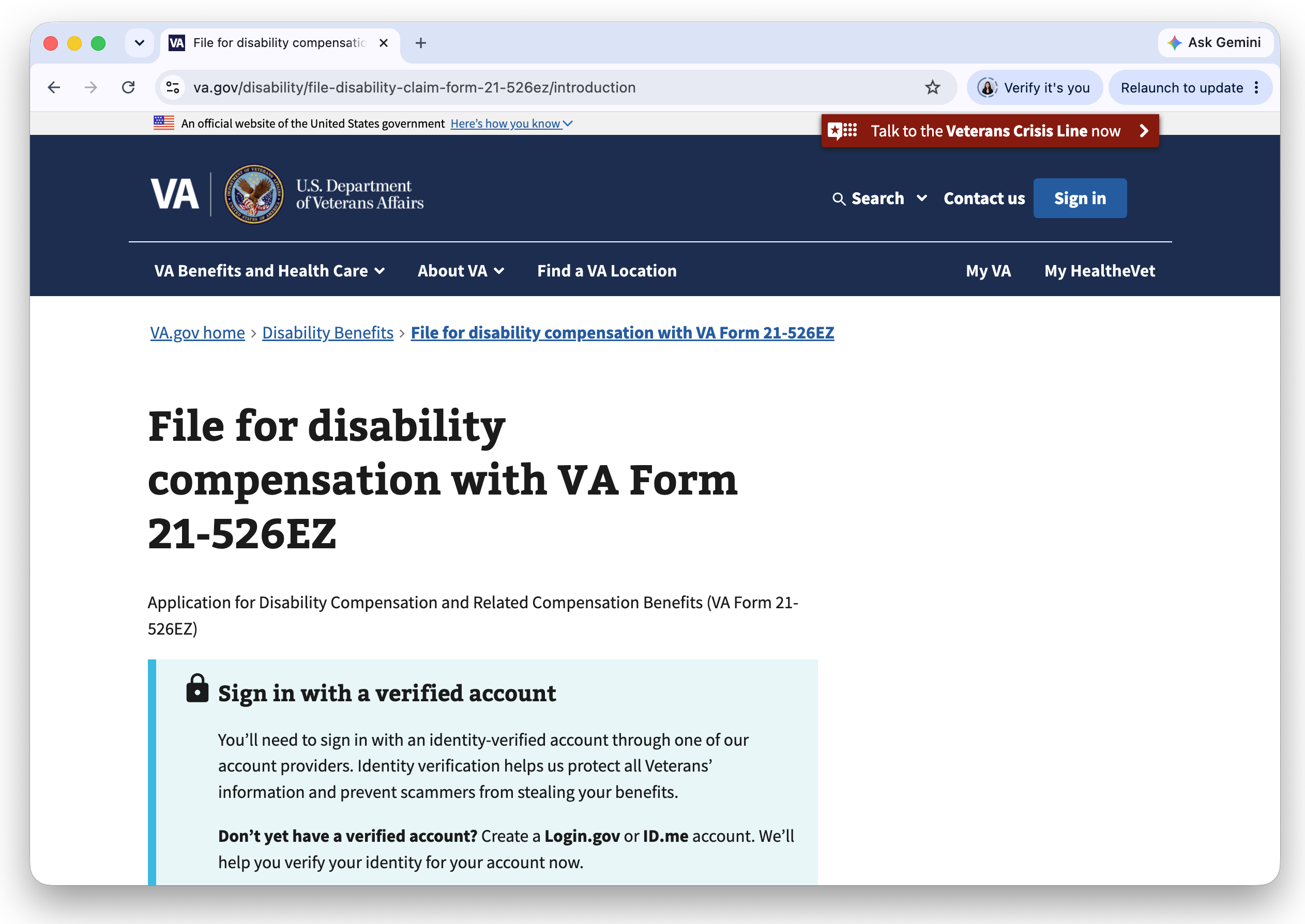
Screenshot of the Veterans Affairs Disability Benefits homepage

Improving how Veterans submit evidence to apply for disability benefits

US Department of Veterans Affairs, Veterans Benefits Administration

QUALITATIVE RESEARCH
PRODUCT DESIGN
PROJECT MANAGEMENT

CONTEXT AND MY ROLE

Disability benefits are payments that help cover costs associated with conditions that Veterans develop during active military service. The VA is continuously improving the digital experience for disability benefits, and this project was one initiative in a multi-year contract.

This project had multiple contractors, divided between multiple workstreams. I led the research and design to improve the evidence upload step, a crucial moment where Veterans submit proof of their disability in order to receive payments.

PROJECT OUTCOMES

The final design is currently live and is used by Veterans when they apply for disability benefits.

Artifacts I delivered include research materials that live in the VA's public Github, Figma design specs with accessibility annotations for engineering, updated user flows on master design documents, and next steps for future research and design explorations.

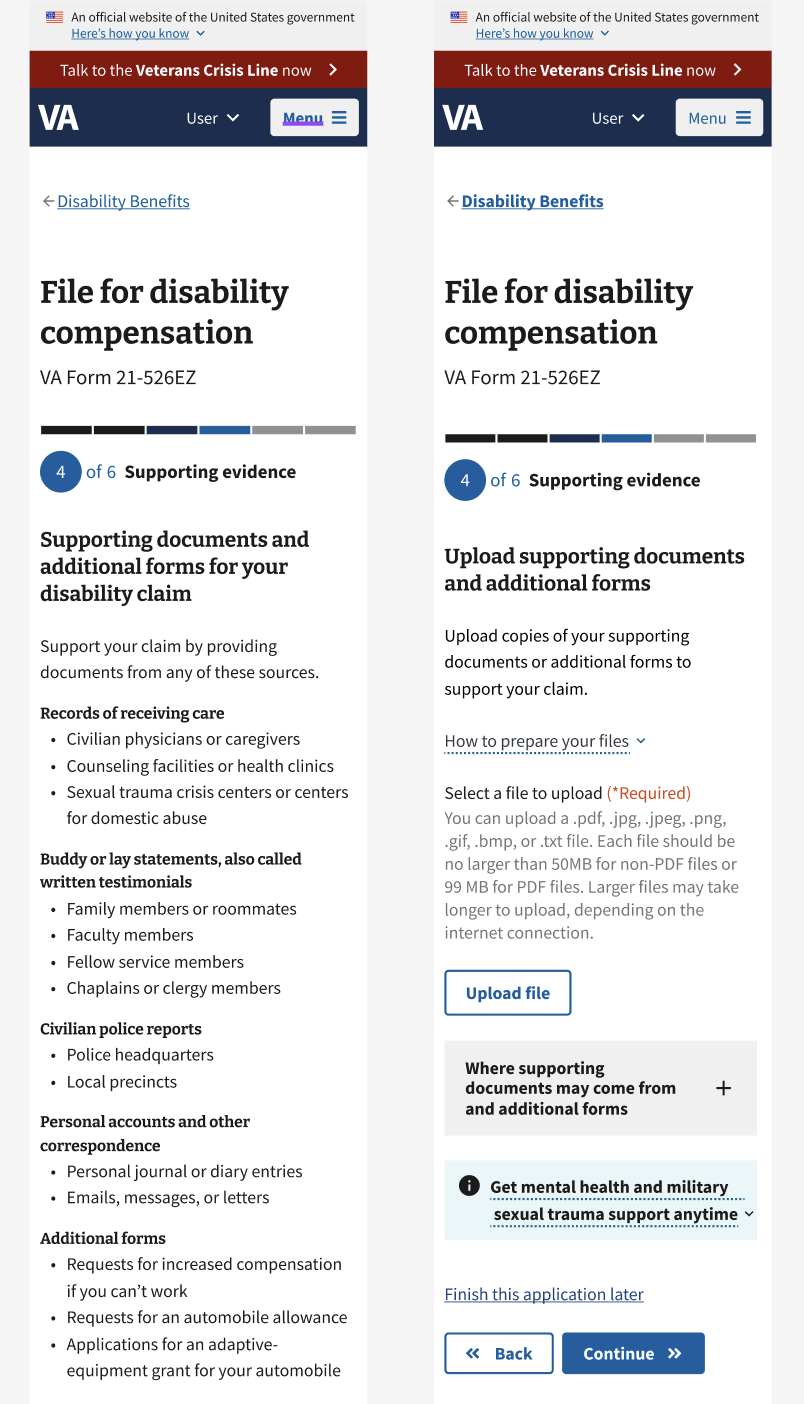
Image: The final design is a full page that describes sthe accepted evidence types, which gives Veterans a chance to gather their document types before being asked to upload. The previous design had everything on one page, which was a lot to digest on one page (especially on mobile).
Screenshot of key screens of the final design

01
SECONDARY RESEARCH AS A FOUNDATION

As the disability benefits has been continuously worked on for years, it was important to understand how the evidence submission experience developed over time.

I dug into the VA's research repositories, using CoPilot to point me to documents that contained keywords related to the evidence submission experience. I read the documents thoroughly and pulled out revelant pieces of insights and research questions. This started the foundation upon which I built the research goals for this initiative.

02
EXPLORATORY DESIGNS TO UNDERSTAND LEGACY DESIGN DECISIONS

I explored multiple ways of how a Veteran might upload documents. I used existing VA design patterns for easier implementation, and unapproved design patterns in case there was a better solution.

I used these sketches to have conversations with engineers to explore technical limitations, and with the VA design system team to dive deeper into their design patterns. This uncovered legacy design decisions that weren't documented anywhere. We chose the concept that balanced feasibility and viability – we would test desirability in research.

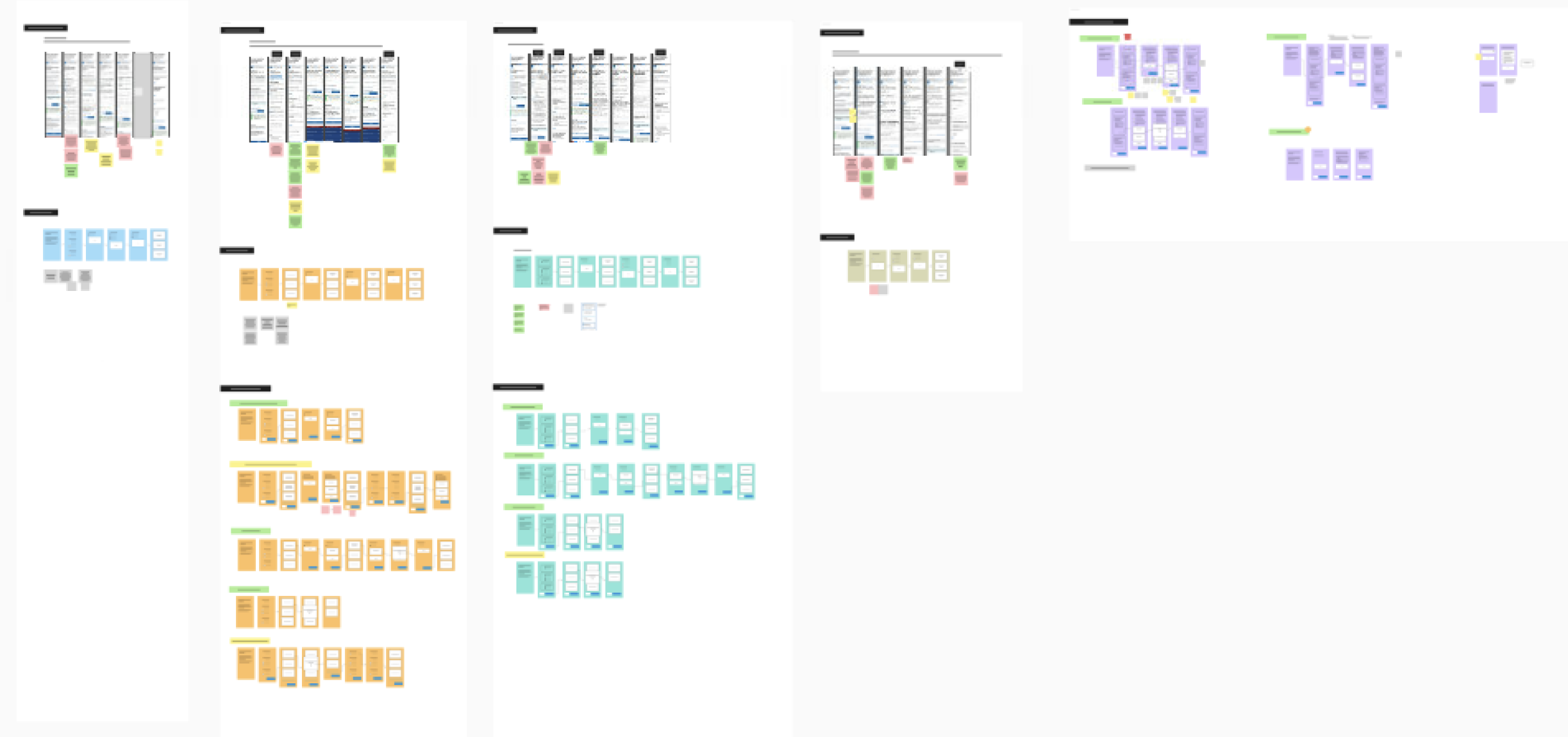
Image: Cute colors helped distinguish the different design pattern explorations from each other
Screenshot of Mural sketches of multiple iterations of concepts

03
TRAUMA-INFORMED RESEARCH

The VA had a very specific way they did research; there was specific documentation that needed to be completed and approved, recruiters to coordinate with, and final reports that followed their template. It was thorough, supported equitable recruitment, and made for excellent documentation for future researchers who picked up this work.  

I led twelve 60-minute research sessions in 8 days, both with Veterans who have used the application before and those who have not. I used a Figma prototype that simulated the application experience. I made sure to take a trauma-informed approach to research facilitation, as I asked Veterans to recount their past.  

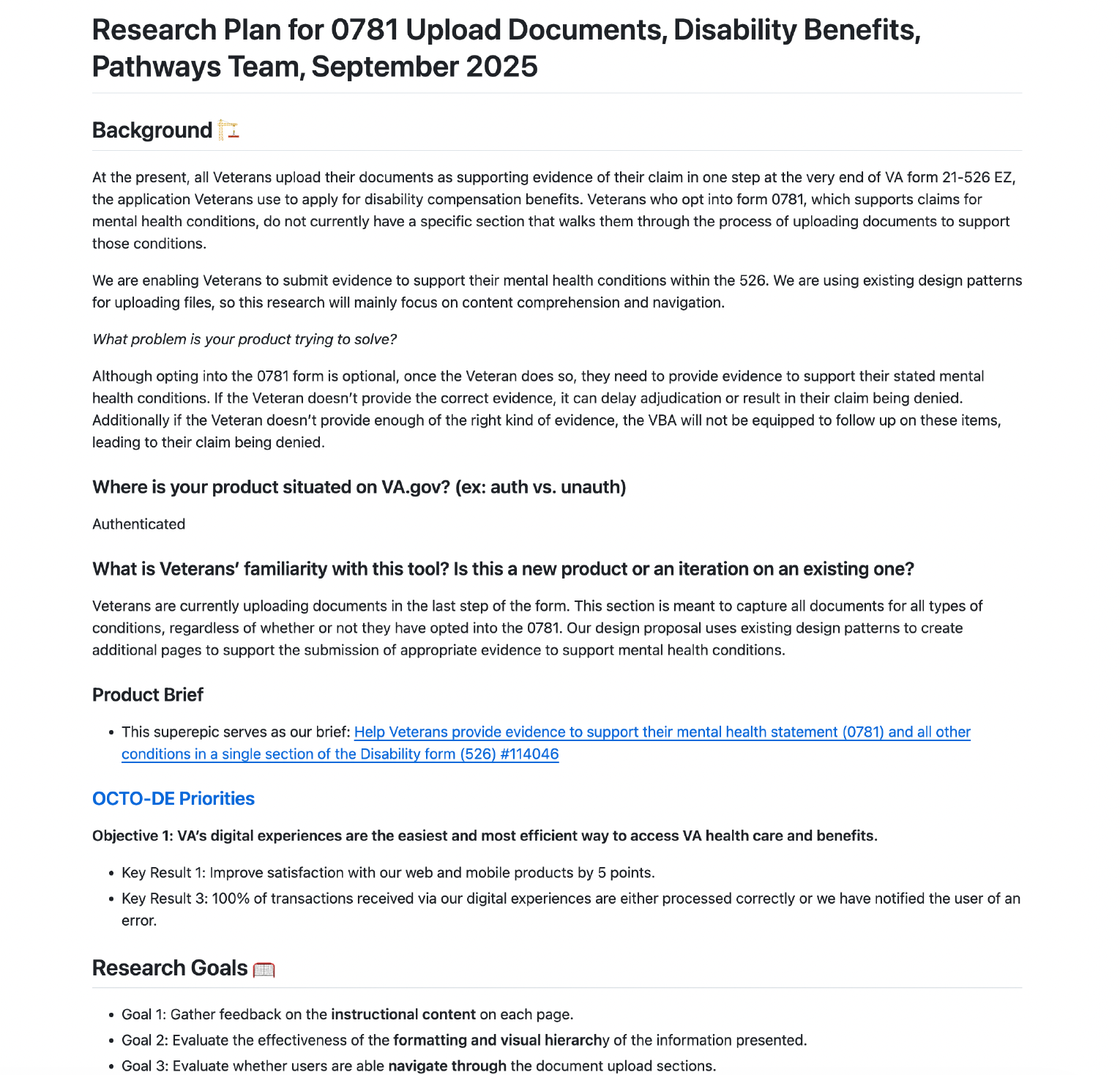
Image: The VA's requirements for research.
Screenshot of the research plan

04
DESIGN ITERATIONS WITH CONTENT DESIGN AND ENGINEERING

After research validated the general design decision, I refined the design details with content designers and engineers. There was a lot of uncertainty around the file upload component (yes, the core component of the evidence upload experience!) throughout the entirety of the project; the VA insisted we use the newest version of the component, but our engineers discovered that it was not ready for production. I continued to design and iterate the rest of the flow as we figured out the technical details. Accessibility was considered throughout the iterations.

I facilitated multiple rounds of feedback with the VA content design team, who had strict standards. When that was at odds with Veteran feedback and design intent, we worked together to find a middle ground that honored everyone's priorities.

I worked closely with engineers to design all edge cases and error states for the flow. There were many complicated scenarios to design for. As the engineers began building the design, I was "on call" to answer any questions they had about the design.

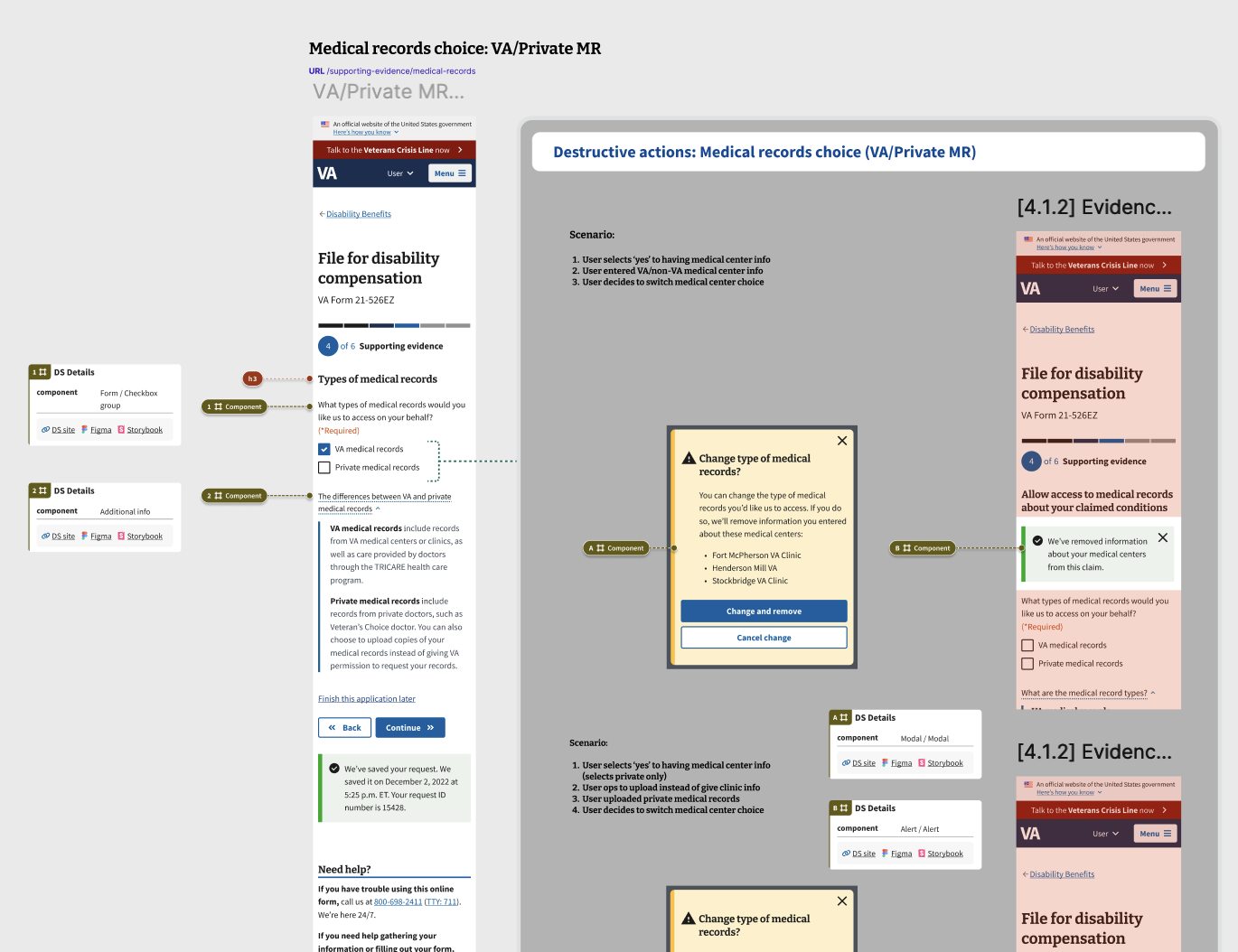
Image: Accessibility annotations, error states, and confirmations for pages that were also part of the evidence upload experience.
Screenshot of one screen of the final design, with destructive actions and error states
© 2026 MOMO MIYAZAKI